

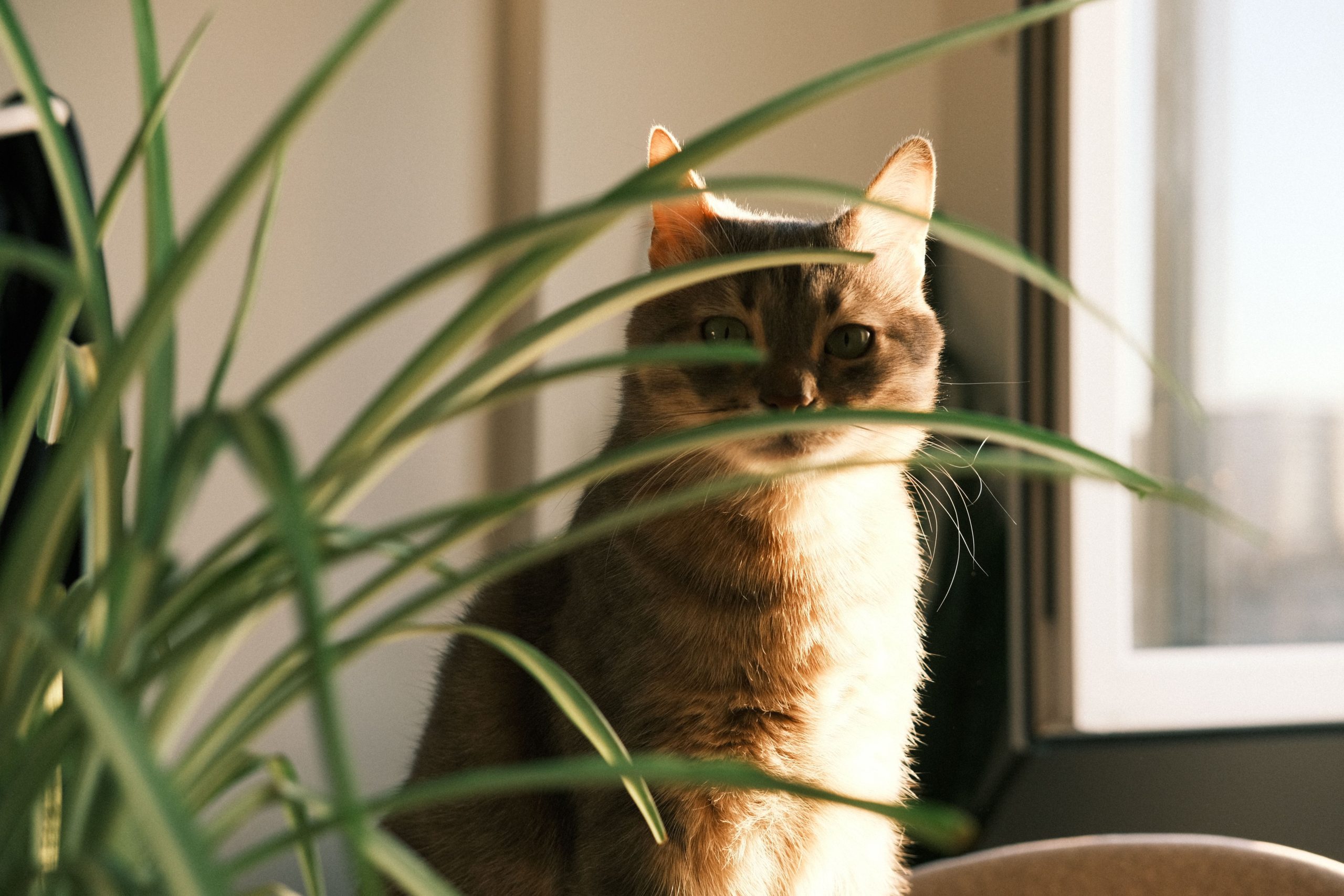
Plants make a home feel alive, and most of them are harmless to pets. A handful, though, can cause serious illness, and several of the most dangerous ones are common in Southern California gardens and holiday bouquets. Here’s what to know before you bring home something green.
The most dangerous plants
Lilies (cats)
True lilies (Easter, tiger, stargazer, Asiatic and Oriental lilies) and daylilies can cause kidney failure in cats. Every part is toxic: petals, leaves, pollen and even the water in the vase. A cat that brushes against pollen and grooms it off its fur can be poisoned. If you have a cat, the safest rule is no lilies in the house. If exposure happens, it’s an emergency even if your cat looks fine. Treatment works best within hours.
Sago palm
Popular in landscaping and as a houseplant, the sago palm is highly toxic to dogs and cats. The seeds are the most toxic part, and eating one can cause liver failure. Dogs tend to chew the seeds and fronds.
Oleander
Oleander lines freeways and yards all over Southern California. It contains compounds that affect the heart, and all parts of the plant are toxic, including dried leaves and clippings left in a pile.
Azalea and rhododendron
These can cause drooling, vomiting, weakness and heart rhythm problems.
Spring bulbs
Tulip, daffodil and hyacinth bulbs are the most toxic part of these plants. Dogs that dig them up can get severe vomiting and diarrhea, and large amounts can affect the heart. Autumn crocus is far more dangerous and can cause organ damage.
Other plants worth knowing
- Kalanchoe, a common gift plant, can affect the heart in large amounts.
- Foxglove and lily of the valley contain heart toxins.
- Castor bean seeds are extremely toxic.
- Cyclamen roots cause vomiting and can affect the heart in large amounts.
Plants that irritate but rarely do serious harm
Many popular houseplants contain needle-like crystals that sting the mouth. Examples are pothos, philodendron, dieffenbachia (dumb cane), peace lily (not a true lily) and monstera. Pets usually drool, paw at the mouth or vomit, and the discomfort tends to stop them from eating much. Aloe, jade plant and snake plant can cause stomach upset. Poinsettias are mildly irritating and much less dangerous than their reputation suggests.
Still, call your vet if your pet chewed one of these and is drooling heavily, vomiting repeatedly or having any trouble breathing or swallowing.
Pet-friendlier plants
If you want greenery with less worry, these are generally considered non-toxic to dogs and cats:
- Spider plant
- Boston fern
- Parlor palm and areca palm
- Calathea and prayer plant
- Phalaenopsis (moth) orchid
- African violet
- Peperomia
- Haworthia
- Herbs such as basil, rosemary and thyme
“Non-toxic” doesn’t mean pets should graze. Eating a lot of any plant can upset the stomach, and fertilizers and pesticides add their own risk.
Practical tips
- Check the plant’s scientific name when you buy it, since common names overlap. The ASPCA keeps a searchable list of toxic and non-toxic plants.
- Look through flower deliveries before they come inside, especially if you have a cat.
- Hang plants or keep them in rooms your pet can’t get into.
- Clean up fallen leaves, seed pods and clippings in the yard.
- Give cats a pot of cat grass to chew instead.
If your pet eats a plant
Take a photo of the plant or bring a piece with you, note how much is missing, and call your veterinarian or the ASPCA Animal Poison Control Center at (888) 426-4435 (a fee may apply). Don’t wait for signs with lilies, sago palm or oleander.